
Great Train Robber Ronnie Biggs’ wildlife and sad end, 35 years on the run
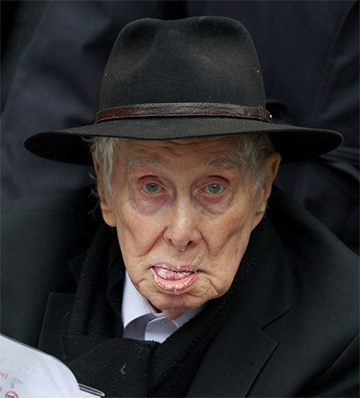
(Image: AFP/Getty Images)
Ronnie Biggs managed to evade justice for 35 years, but declining health and a desire to “walk into a Margate pub as an Englishman and buy a pint of bitter” saw him return to face the music
On November 12, 1997, Ronnie Biggs, train robber, accidental folk hero and part-time Sex Pistol, was celebrating his “escape” from British justice after Brazil’s Supreme Court rejected a request for his extradition.
The London-born villain had been convicted in 1963 of robbing a Royal Mail train – a crime which has passed into legend as The Great Train Robbery.
Biggs and 14 accomplices made off with £2.6 million (equivalent to around £57 million in today’s money) – and in the process the train driver Jack Mills was clubbed with an iron bar, causing injuries from which he never completely recovered.
Ronnie Biggs was jailed in 1964 for his part in the infamous train robbery – but not for long.
But Biggs only served 15 months of his 30-year sentence before scaling the walls of Wandsworth Prison with a rope ladder and fled to Europe.
There he spent some £40,000 (about £750k today) on plastic surgery in Paris to disguise his appearance. The following year he moved to Australia, but life on the run had severely depleted his stolen wealth.
According to Dailystar, While Biggs’s share of the original take was over £3 million in today’s money, bribes, legal fees and other expenses left him with just £7,000 (just over £130,000 in 2021).
By this time Biggs’s wife Charmain, who had given up on him while he was behind bars and had become pregnant by another man, had secured an illegal abortion and travelled to Australia with their two sons to be by his side.
To support his family, Biggs managed to get a job building sets at Australia’s Channel 9 news – which ironically was the network that broke the story that he was hiding out in Melbourne.
In 1964, nine of the 15-strong gang, including Biggs, were jailed for the crime.
Biggs again went into hiding, and a few months later boarded a ship to Brazil. At the time, the South American country didn’t have an extradition treaty with the UK, and after his new Brazilian girlfriend became pregnant with his child, the Great Train Robber was protected by Brazilian law.
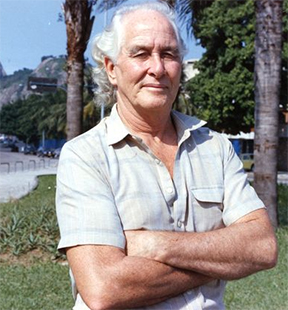
Although he had become something of a celebrity by this time, through his escapes and criminal exploits, Biggs cut a somewhat sad figure in Rio de Janeiro at this time. As a known criminal he was subject to a curfew, and couldn’t work or visit bars.
His only income came from barbecues at his home, where curious tourists and fans would pay to hear tales of his criminal past.
Biggs earns notoriety to a new generation when he appeared as a guest vocalist on a Sex Pistols single. “No One Is Innocent” was a very different sound to the jazz Biggs listened to at home, but it charted in the UK Top 10 and helped top up Biggs’s dwindling supply of cash.
In 1981, a group of British mercenaries tried to kidnap Biggs in hope of collecting the reward Scotland Yard had posted for his capture.
The bid ended in chaos, though, with their boat breaking down and the whole group being rescued by the Barbados coastguard.
As Barbados had no extradition treaty with the UK, Biggs was allowed to return to Brazil.
But with his health declining, Biggs began to yearn for his old home. But Biggs’s desire to come home wasn’t just that he needed NHS care, though, he said at the time.
“My last wish is to walk into a Margate pub as an Englishman and buy a pint of bitter,” he said in an interview conducted through his son Michael.
In a deal with The Sun newspaper, Biggs was flown back to the UK on a private jet in 2001. The 72-year old was aware that he would have to serve out the remaining 28 years of his sentence when he got home.
Biggs was sent to Belmarsh jail on arrival and, in failing health, moved to Norwich Prison on compassionate grounds six years later.
He died in December 2013, aged 84, just hours before a major BBC drama recreated the Great Train Robbery with actor Jack Gordon featuring as Biggs.
A Union Flag and a Charlton Athletic scarf were draped over his coffin as the Great Train Robber, finally free, was lowered into the earth.
(Image: ExpressStar)