
(Video) Bello Sakinah: Lack of specific grant for Nigerian female farmers, hinders food processing


Bello Omooye Sakinah, an Entrepreneur from a mixed lineage of Nigerian and Togo culture, has been chosen as the Most Outstanding Agribusiness Entrepreneur of The Year 2024 by Creek Multimedia, the publisher of Creekvibes Magazine. Currently, she is the Managing Director and Chief Executive Officer of Berriepearl Enterprise and Mmawhev Farms. She completed her secondary education at Mahmud Ahmadiyyah College in Ijede, Lagos State, before pursuing a Bachelor of Technology degree in Industry & Polymer Chemistry at the Federal University of Technology, Minna, Niger State. Following her academic journey, she fulfilled her mandatory National Youth Service Corps (NYSC) at the Central Bank of Nigeria’s South-South Entrepreneurship development Centre in Calabar and gained additional entrepreneurships skills at Ritechoice Ltd. Furthermore, she gained a Certificate in Leadership and Management in Health from University of Washington & Diploma degree in Natural reproductive and infertility medicine from The Open International College of Naturopathic Medicine, Lagos and several other certificates.
Presently, she oversees a substantial crop farm spanning five acres, employing numerous staff members.
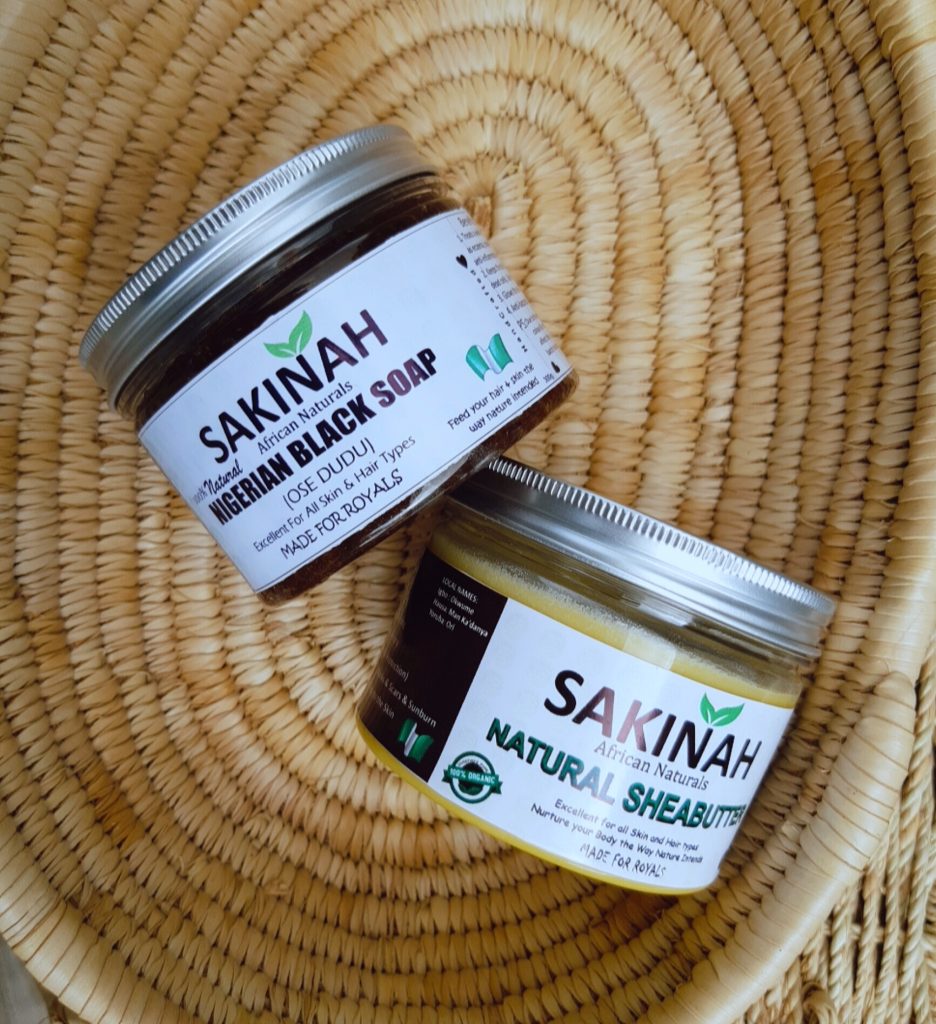
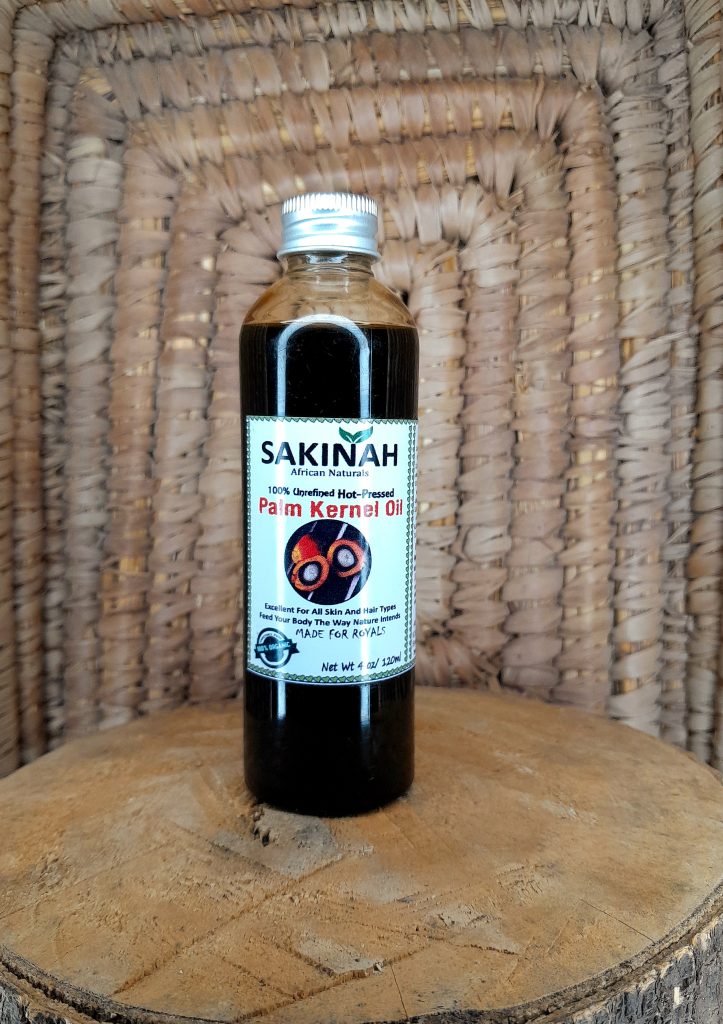
In 2017, she commenced the production of indigenous natural shea butter, black soap, palm kernel oil, and coconut oil, suitable for all ages. By 2022, she expanded her agricultural endeavors into crop farming of a variety of crops such as cucumber, sweetcorn, cassava, plantain, chilli pepper, lettuce, kale, spring onions, and more.
At present, she faces challenges related to the logistics of transporting her farm produce to international markets, as the cost of logistics often exceeds the value of the products themselves. She recently addressed several inquiries from CREEKVIBES publisher, Oluwadamilare Daniels — excerpts from the interview;
What are the challenges you have encountered concerning your agribusiness enterprise?
Stringent governmental regulations and economic transformation.
Which in particular affected the female farmers the most?
Environmental factors, including the rising costs of seedlings, fertilizers, and supplements, as well as the high expenses associated with materials such as calibrated irrigation systems and boosting mechanisms, contribute to a situation where elevated costs across these areas prevent the establishment of regulated prices for finished products. Additionally, the lack of targeted grants for Nigerian female farmers significantly impedes food production, as women in agriculture are often perceived as a less serious demographic.
Have you ever experienced the intrusion of herdsmen, or animals into your farmland, resulting in damage to your crops, given that your land spans across five arches?
Not at all.
Could you please specify the locations of your farms?
Sala, Epe, Lagos and Iloti, Ijebu-Ode, Ogun state.
How and where did you gain your experience in farming?
From a young age, beginning in primary school, I have always had a passion for farming.
Does this imply that your father or mother has an affinity for farming?
Laughs, must it be a father’s choice? My father does not like farming. (General laughter), among my parents, it is even my mum, who loves planting in her small garden, which is in our house compound.
What information would you like to convey to Nigerians regarding your business sector; in the next five years, what advancements do you envision for your farming system?
I should be into extensive agro-processing activities to preserve fresh agro-produce into sustainable products, aligned with the united nation SDG goals by increment of food availability all year round to ensure food security in our nation.
Contact:+234 905 308 1178
Watch clips of the video below;