
Political Thugs May Become Tomorrow’s Terrorists, Ejiofor Warns Ahead of 2027 Elections
By Titus Eleweke
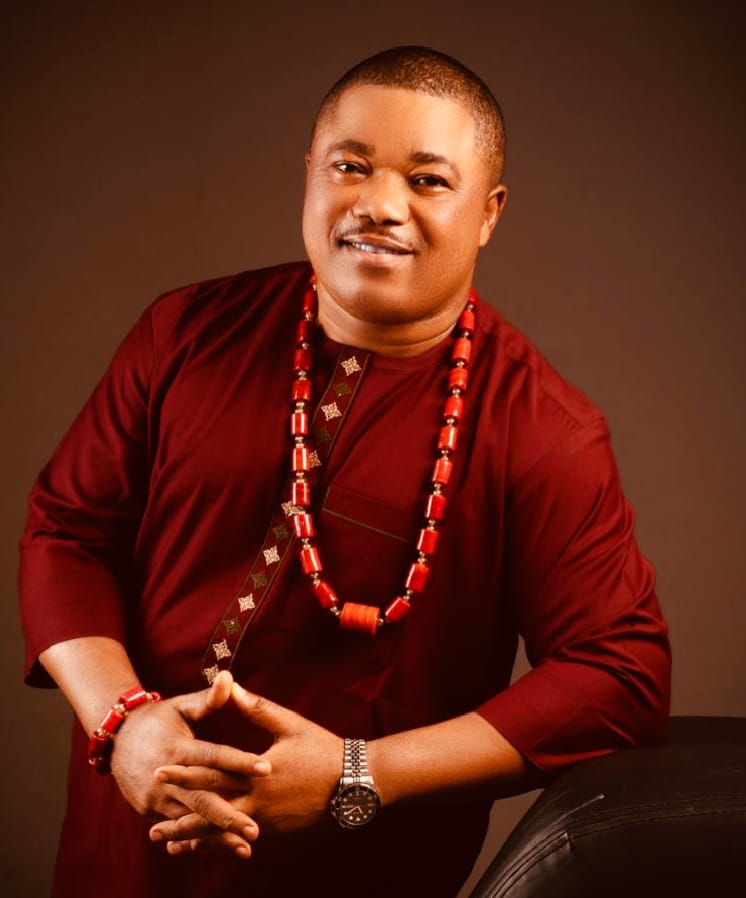
Anambra State born human rights lawyer and lead counsel of indigenous people of biafara ipob Sir Ifeanyi Ejiofor has warned Nigerian politicians against arming and recruiting thugs to intimidate political opponents ahead of the 2027 general elections.
He cautioned that the weapons and criminal networks created for electoral advantage could eventually turn against their sponsors.
Ejiofor, in his Weekend Musings titled “The Monsters You Create for Political Power Today May Become the Terrorists Who Haunt You and Your Generations Tomorrow,” said politicians who exploited violence for electoral gains risk unleashing forces they might neither control nor contain.
He warned that young men recruited to intimidate opponents could eventually abandon political loyalty when criminal violence became a more profitable means of livelihood.
According to him, Nigeria’s persistent security challenges underscore the dangers of arms proliferation, the exploitation of vulnerable youths, weak accountability and the failure to prosecute those who sponsor violence.
He noted that the country continued to battle multiple security threats, including Boko Haram and Islamic State West Africa Province insurgencies, banditry, kidnapping and communal violence, particularly across the North-East, North-West and North-Central regions.
Although the crises have different historical backgrounds and causes, he said, the proliferation of illegal firearms, the expansion of criminal networks and the failure to hold their sponsors accountable remained critical issues requiring urgent national attention.
Ejiofor who holds Traditional title of Dunu-Ezeugosinachi posed a question to politicians who consider armed thugs indispensable to electoral victory: “What happens when the hired hand refuses to surrender the weapon after the assignment?”
He warned that political foot soldiers could eventually become independent criminal operators, demanding protection money from the same political establishments that once patronised them.
The lawyer described such political calculations as dangerously short-sighted, stressing that individuals recruited for political violence might not remain loyal to their sponsors when other opportunities emerged.
He also condemned threats against voters and rhetoric suggesting that political opponents or entire states could be conquered by force, insisting that democracy must not be treated as warfare.
“Democracy is not warfare, and political opponents are not enemies to be exterminated,” he said.
He warned that no electoral mandate was worth the blood of innocent citizens.
He added that neither presidential nor governorship ambitions should be considered more valuable than human life, while political office should not shield anyone from the consequences of sponsoring criminality.
Ejiofor further challenged politicians who believe they could arm young men to terrorise their opponents during elections and subsequently compel them to surrender their weapons and return to peaceful lives.
“You may hire a thug for an election, but you cannot hire his conscience, guarantee his loyalty, or dictate the next target of his gun,” he warned.
He called on security agencies, intelligence services and electoral authorities to investigate credible intelligence about threats of political violence promptly, impartially and professionally.
Those who finance, arm, recruit or direct criminal groups, he said, must be brought to justice in accordance with the law, regardless of their political affiliations or connections.
Ejiofor cautioned against selective enforcement, arguing that ignoring credible security warnings because suspected perpetrators were politically connected could undermine national peace and encourage lawlessness.
He insisted that security agencies must place their constitutional responsibilities above partisan interests and refuse to mortgage the country’s stability for the convenience of politically influential individuals.
According to him, violence tolerated for political convenience could eventually become a security burden for the entire country, threatening not only the sponsors but also their families, communities and the state.
He urged politicians to reflect on the long-term consequences of their actions, noting that elections would come and go, political offices would change hands and influential godfathers could lose their power, but the consequences of insecurity might persist for generations.
“Those who sow violence to harvest political power may yet reap a harvest of terror,” he said.
Ejiofor urged Nigerians to heed the lessons of history before another generation paid the price.